What are the 5 stages of consultation?

Table Of Contents
Key Takeaways
- Understanding the Five Phases in Consultation
- Phase One- First Contact and Setting the Agenda
- Phase Two- Gathering Information and Clarifying
- Phase Three- Identifying and Analyzing Problems
- Phase Four- Making Decisions and Formulating Plans
- Phase Five- Implementing and Following Up
Grasping the Five Steps in Consultation
Upon entering the realm of consultation, one wonders, "What are the 5 stages of consultation?" The answer unfolds in a tapestry of interconnected steps that weave through the intricacies of communication and collaboration. These stages offer a roadmap for effective consultations, guiding us through the essentiality of patient information, problem identification, decision-making processes, and the crucial execution and follow-up phases. Each stage presents its unique challenges and opportunities, demanding a mix of leadership, motivation, and safeguards for all parties involved. From the initial contact to the final implementation, consultations are a delicate dance that requires delicate adjustments, consent, and compliance with regulations. As we delve into the consultation dates and the gender equality action plan, it is evident that the success of a consultation hinges on the dedication and commitment of all participants in the journey towards shared decision-making and impactful recommendations.
Decoding Consultation: A Broad Spectrum
In the realm of consultation, comprehending the diverse facets it encompasses is vital. Consulting constitutes a broad spectrum that delves into various aspects, ranging from business trends to genderworks and technology. Being able to decode consultation means navigating through the five stages of consultation meticulously. These stages entail understanding the roles and responsibilities of all parties involved, including practitioners like Peter, along with the significance of issues such as bullying or violence prevention. Embracing consultation as a collective effort and taking the opportunity to gain valuable insights is crucial for successful projects and initiatives.
As consultation unfolds, the involvement of the patient and other parties shapes the outcomes and direction of the process. From the initial contact and agenda setting to the execution and follow-up stages, each phase plays a crucial role in ensuring consultations are effective and productive. The consultation evaluation form, privacy overview, and feedback mechanisms enhance the quality of discussions and decision-making. Ensuring inclusion and addressing data gaps or privacy issues are at the forefront of consultation policies across different regions and sectors, whether it be in business management consulting processes or workforce styles. By acknowledging the unique challenges and opportunities that each stage presents, consultation becomes a dynamic and collaborative process that drives positive change.
| Stage | Description |
|---|---|
| Initial Contact | First interaction to establish the purpose and scope of consultation. |
| Agenda Setting | Defining the topics, goals, and expectations for the consultation process. |
| Execution | Carrying out the consultation activities as planned and engaging all relevant parties. |
| Follow-Up | Reviewing outcomes, addressing feedback, and ensuring actions are taken post-consultation. |
| Evaluation | Assessing the effectiveness and impact of the consultation process for future improvements. |
Unveiling the Role of the Patient and the Parties in Consultation
The vital role of the patient and other involved parties in a consultation cannot be overstated. Understanding the significance of each party's input throughout the consultation process is key to ensuring its success. What are the 5 stages of consultation? From the initial contact to the final execution and follow-up, all stakeholders must actively engage with one another to identify gaps, share information, and make decisions collectively. This collaborative approach is essential for addressing issues effectively, whether it be in a comms piece, publication, or workforce assessment process. By working together and leveraging each other's strengths, the consultation process becomes more robust and impactful.
In any consultation process, the involvement and influence of the patient and other parties play a crucial role in shaping the outcomes. Each party brings a unique perspective and set of experiences to the table, contributing to the overall agreement and impact of the consultation. What are the 5 stages of consultation? Whether it's a developer proposing software solutions, applicants submitting example resumes, or scholars sharing opinions, the diversity of voices enriches the discussion and leads to more comprehensive decision-making. The engagement process hinges on the active participation of all stakeholders, ensuring that measures taken reflect the needs and aspirations of the community. By embracing a collaborative approach, the consultation journey becomes a learning experience for all involved, paving the way for effective implementation and sustainable solutions.
Stage One Initial Contact and Agenda Setting
The initial contact in the consultation process marks the inception of productive dialogue between the parties involved. The patient's active participation during this stage is crucial for establishing a foundation of trust and open communication. Agenda setting, on the other hand, involves all stakeholders to outline the objectives and expectations of the consultation. By engaging each party in this step, potential data gaps can be identified and addressed promptly. The inclusion of the patient in the agenda-setting process ensures that their concerns are prioritised and decisions are made in consideration of their needs and preferences. This collaborative approach sets a positive tone for the subsequent stages, fostering a secure and respectful environment for all involved.
The Essentiality of Patient's Role in Initial Contact
In the initial contact stage of the consultation process, the patient's active involvement is crucial. This involvement sets the tone for the entire consultation journey. Patients should be encouraged to express their concerns openly and honestly, allowing the consulting company to gain a comprehensive understanding of their needs and expectations. By sharing their thoughts and concerns, patients help lay a solid foundation for effective communication and collaboration throughout the consultation process. This open dialogue enables the consulting company to tailor their approach to meet the specific needs of the patient, fostering a sense of trust and support between all parties involved.
Patients are not just passive recipients in the initial contact stage of consultation but play a pivotal role in shaping the direction of the interaction. Through effective communication skills and empathy, patients can articulate their needs and expectations clearly, providing the consulting company with valuable insights to guide the consultation process. By actively participating in the initial contact stage, patients can help set the program details, clarify any uncertainties, and establish common ground with the consulting company. This collaborative approach not only enhances the effectiveness of the consultation but also empowers patients to take an active role in their healthcare journey.
- Actively involvement of patients in the initial contact sets the tone for the entire consultation journey.
- Patients should express their concerns openly to allow comprehensive understanding of their needs.
- Sharing thoughts and concerns helps in effective communication and collaboration.
- Open dialogue enables tailoring the approach to meet patient's specific needs.
- Patients play a pivotal role in shaping the direction of the interaction.
- Effective communication skills and empathy empower patients in articulating needs clearly.
- Collaborative approach in the initial contact stage enhances the overall effectiveness of the consultation process.
Agenda Setting: Parties Involvement and Importance
Patient involvement in the agenda setting stage of consultation is crucial in ensuring a successful outcome. Understanding the parties involved and their roles is equally important. The patient must be the main focus during this phase, and all parties should work collaboratively to set the agenda effectively. This stage is a significant step toward addressing the patient's needs and moving forward with the consultation plan. What are the 5 stages of consultation? Therefore, having clear team roles definitions and ensuring availability of all relevant documents and books are key to establishing trust and creating a peaceful atmosphere for the consultation process.
During the agenda setting phase, the involvement of all parties, including the patient, is essential for a comprehensive consultation. By allowing each party to express their views and insights, a more inclusive and effective consultation can be achieved. Each party's input is valuable in determining the priorities and solutions needed to address the patient's situation. By following a structured approach and allowing for open communication, gender segregation and other barriers can be overcome, leading to a successful consultation end.
Stage Two Information Gathering and Clarification
Information gathering and clarification stand as the pivotal stepping stone in the consultation process. This stage involves meticulously collecting and analysing data, ensuring a comprehensive understanding of the patient's concerns. In this phase, it is essential to involve all relevant parties, encouraging transparent communication channels and fostering a respectful dialogue. Through this, the entity can uncover crucial insights, leading to a more informed decision-making process. By delving deep into the patient's circumstances and needs, as well as actively engaging with colleagues and partners, the consultation can yield valuable outcomes that address the core issues effectively.
 Photo by MART PRODUCTION on Pexels
Significance of Patient Information
Patient information plays a pivotal role in the consultation process across the five stages. The data gathered from patients helps identify their needs, problems, and preferences, laying the foundation for effective consulting services. Soraya Senosier, a renowned expert in workplace gender auditing training, highlights the importance of patient information in tailoring strategies that address gender equality issues in the workplace. By focusing on patient details and assessments results, consultants like Senosier can better understand the context and provide targeted solutions that meet the client's needs and expectations.
In the realm of business management consulting, patient information serves as a roadmap for consultants to navigate through the stages of consultation. From initial contact to execution and follow-up, understanding patient information is crucial in building effective strategies and implementing them successfully. Utilizing methodologies and reporting templates, consultants can track progress, address problems, and make informed decisions based on patient data. This ensures that the consulting services provided are aligned with the client's goals and contribute to positive outcomes in the program classroom.
Parties Involvement in Clarification Process
Parties involved in the clarification process play a crucial role in ensuring effective communication and understanding among all stakeholders. In the top discussion topics of consultation, parties involved are responsible for clarifying project impacts and ensuring clear communications work. The commission logo must be upheld in all dealings, without overlooking any figure, borders, or anything that might impede the process. Ensuring that all communications are within legal boundaries, parties involved must be well-versed in the Gender Equality Act, definitions network dictionary computer dictionary internet dictionary project management definitions, and other relevant literature to provide accurate information during the clarification stage.
Furthermore, parties must actively engage in the clarification process to address any misconceptions or misunderstandings that may arise. When discussing the projects' benefits and receipts, they play a significant role in providing clarity on the initiatives, activities, and wishes outlined. By fostering reader interactions and promoting gender audit services blog contact, parties contribute to creating an open dialogue and fostering user consent. It is imperative that all involved parties offer opportunities for sharing insights, literature, and findings to ensure sustainability and land negotiation are guided towards a resolution.
Stage Three Problem Identification and Analysis
When delving into Stage Three of the consultation process, known as Problem Identification and Analysis, it is crucial to pinpoint the specific issues faced by the patient. This stage involves a comprehensive examination of the challenges at hand, requiring the active involvement of all parties to thoroughly analyze and understand the nature of the problems presented. By engaging in meticulous observation and analysis, the consultation team can effectively decode the issues and formulate a strategic plan to address them. In Australia, this stage is vital in facilitating workplace improvements and operational success. Through stakeholder consultations and close interactions with the consultee, the barriers and resistance encountered can be identified and overcome. This stage is integral in guiding the subsequent stages of decision-making and plan formulation to ensure a successful consultation process overall.
- Conduct in-depth analysis to identify specific problems faced by the patient
- Collaborate with all parties involved to thoroughly understand the nature of the issues
- Utilize meticulous observation to decode problems accurately
- Formulate a strategic plan to address the identified issues effectively
- Engage stakeholders for input and insights to overcome barriers and resistance
- Guide decision-making process and plan formulation for successful consultation
- Essential stage for facilitating workplace improvements and operational success.
Pinpointing the Patient's Problems
Pinpointing the patient's problems is a critical aspect of the consultation process. It involves identifying key issues through a thorough analysis of data and discussions with the patient. Understanding the patient's concerns and expectations is fundamental in this stage of consultation. By utilising cues from the patient's responses and body language, the doctor can pinpoint the specific areas that need attention. When considering gender groups in particular, the need for gender equality in addressing problems becomes evident. Ensuring that all parties involved are heard and considered is essential in achieving a well-rounded perspective.
It is during the pinpointing of the patient's problems that the consultation Jan and social specialist play pivotal roles. With a focus on change and improvement, the project team roles definitions guide the consultation process. The inclusion of data visualization, infographics, and charts can aid in recording and presenting the patient's concerns effectively. Considering the various states such as Mexico and Bolivia, factors like cultural nuances may influence the problems presented. It is crucial for the consultant to maintain professionalism and customer influencer roles throughout, ensuring that the consultation is conducted with integrity and respect for all involved.
The Role of All Parties in Analysis
Consultation is a pivotal process to ensure that all parties involved in a particular issue are heard and their perspectives are taken into consideration. In the healthcare sector, the role of all parties in the analysis stage is crucial to identify the root causes of a patient's problems. This phase involves a deep examination of the issues at hand, with a focus on childhood vulnerability, patient rights, and the effectiveness of current programs. The analysis should encompass the perspectives of patients, healthcare providers, and other stakeholders involved in the patient's care.
The analysis stage serves as a bridge between problem identification and decision-making in the consultation process. It is essential for all parties to collaboratively examine the data gathered during the information-gathering and clarification stages to develop a comprehensive understanding of the situation. This step lays down the foundation for generating effective solutions that cater to the specific needs of the patient and the community at large. Additionally, it is during this stage that the consulting firm or healthcare organisation can implement gender impact assessments to ensure gender equality in the outcomes of the consultation process.
Stage Four Decision Making and Plan Formulation
In the fourth stage of the consultation process, decision-making and plan formulation take centre stage. This phase requires active participation from the patient in making crucial decisions regarding their health. It involves discussions on treatment options, potential outcomes, and developing a comprehensive plan that aligns with the patient's goals and preferences. The other parties, such as healthcare professionals and family members, also play a significant role in providing input and support throughout this stage. Effective communication and collaboration among all parties are essential to ensure that the decisions made are well-informed and in the best interest of the patient.
| Key Stakeholder | Role | Responsibilities |
|---|---|---|
| Patient | Decision-maker | Active participation in decision-making, discussing treatment options, expressing goals and preferences |
| Healthcare Professionals | Advisor | Provide medical expertise, present treatment options, offer recommendations |
| Family Members | Support System | Offer emotional support, assist in decision-making, advocate for patient's well-being |
Patient's Role in Decision Making
The patient's role in decision-making is crucial across all stages of consultation. Understanding the 5 stages of consultation is imperative for a patient to actively participate and contribute effectively. Patients must comprehend their responsibility in the economy of decision-making, where their values and thoughts intersect with the principles and impacts of the decisions. The patient's exposure to the consulting firms' skills and development trends enables them to provide valuable input in decision-making processes. By integrating their illness experience and privacy considerations, patients become an essential part of the decision-making committee, ensuring that their perspectives are not only valued but also formative in the outcomes.
In decision-making, the patient's role extends beyond being a mere recipient of information. They play a leadership role in directing the presentation of their data collection and analysis, ensuring that their views are accurately represented. As part owners of their healthcare journey, patients must engage with the client organization to help map out the best course of action. Their involvement in various parts of the consultation step guarantees that the decisions made are respectful of their privacy, values, and compliance with necessary regulations. Ultimately, the patient's active participation in decision-making not only benefits their own well-being but also contributes to the overall success and efficacy of the consultation process for everyone involved.
Other Parties: Their Involvement and Influence in Plan Formulation
In plan formulation, the involvement and influence of other parties play a crucial role in shaping the outcomes of the consultation process. Whether it be through providing valuable insights, expertise, or perspectives, the input from various stakeholders can significantly impact the decision-making process. By actively engaging with employees, management, and external cohorts, organizations can harness a diverse range of perspectives that can lead to increased innovation and improved strategic outcomes. Through effective communication methods and collaboration, these parties can work together to navigate through complexities such as migration, climate change, and operations management, ensuring that the consultation process is enriched with a wide repertoire of ideas and strategies.
When considering the involvement and influence of other parties in plan formulation, it is essential to highlight the potential enablers and challenges that may arise. While the input from different stakeholders can bring about positive change and enhance decision-making processes, it is crucial to manage the dynamics effectively to avoid potential conflicts or misunderstandings. By leveraging the skills and expertise of individuals such as Sean Brennan and Stuart Ridder, organizations can benefit from a diverse range of perspectives that can contribute to the successful implementation of strategies and plans. Through effective communication methods and strategic planning, organizations can navigate through complexities such as arbitration, risk management, and license information, ensuring that the consultation process runs smoothly and results in positive outcomes for all parties involved.
Stage Five Execution and FollowUp
Moving on to the final stage "Execution and Follow-Up" of the consultation process, this phase deals with putting the decisions into action and monitoring progress. Patient switches, receipts, and receipt cards play a crucial role in this last stage. The consultations conducted by consultants will address the priorities and workforce aspects. After the consultations, updates and evaluation plans are essential to ensure that the decisions made are effective and in line with the patient's needs. Inquiries regarding consultation can be directed to inquiries@genderequalitycommission.vic.gov.au. It is important to note that the contents of this consultation - pmc are the ideas of the authors and do not necessarily reflect the opinions of the Banco Interamericano de Desarrollo. Additionally, resources and workshops can aid in the implementation process, promoting inclusivity and equality in all aspects of consultation.
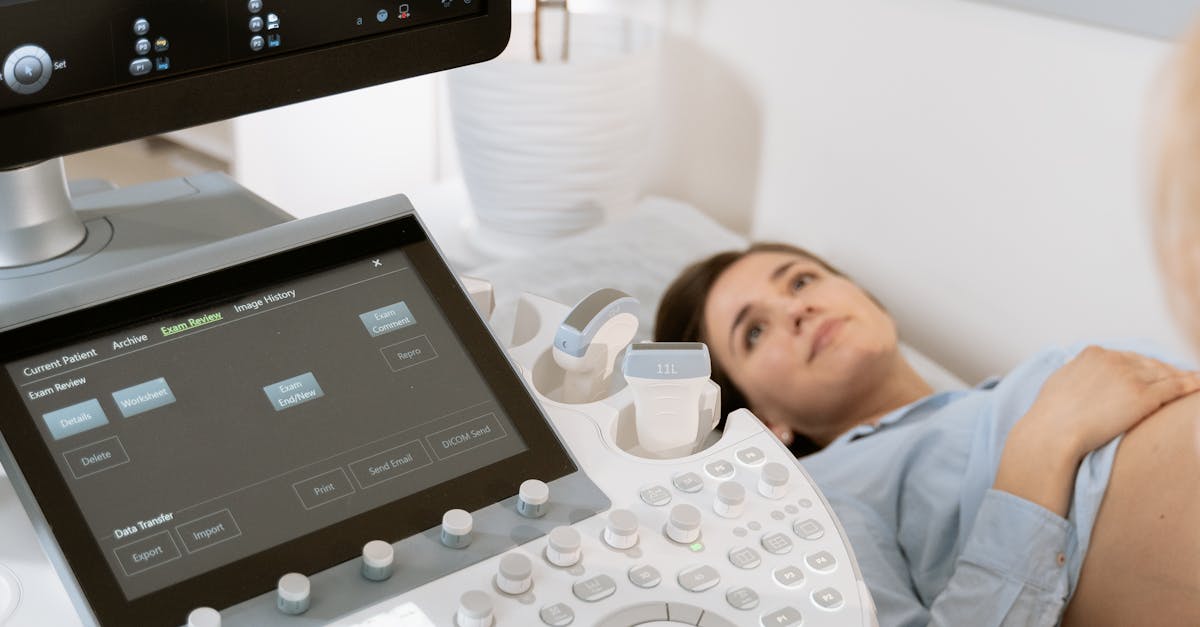 Photo by MART PRODUCTION on Pexels
Conclusion
The consultation process consists of five crucial stages: initial contact and agenda setting, information gathering and clarification, problem identification and analysis, decision making and plan formulation, and execution and follow-up. Each stage involves active participation from both the patient and other parties, contributing to a comprehensive understanding of the situation at hand. For instance, in the first stage, the patient's role in contact initiation and agenda setting is paramount for setting the tone of the consultation. As the process progresses, all entities involved play a vital role in problem identification, decision making, and plan execution. By adhering to the rules and guidelines outlined in the consultation, such as actively listening, demonstrating empathy, and ensuring gender equality insights are considered, the effectiveness and success of the consultation are enhanced. Through a collaborative effort and commitment from all stakeholders, the consultation can lead to constructive outcomes and positive changes within an organization or business.
FAQS
What is the first stage of consultation?
The first stage of consultation is Initial Contact and Agenda Setting, where the parties involved make contact and set the agenda for the consultation process.
How important is the patient's role in the initial contact stage?
The patient's role in the initial contact stage is essential as their input and understanding of their needs help in shaping the direction of the consultation.
What happens during the Information Gathering and Clarification stage?
During this stage, information relevant to the patient's situation is gathered, and any uncertainties or misunderstandings are clarified to ensure a common understanding among all parties.
Why is problem identification and analysis crucial in consultation?
Problem identification and analysis are vital as they help in understanding the root cause of the patient's issues, enabling the parties involved to develop effective solutions.
How does decision making and plan formulation take place in consultation?
In this stage, decisions are made collaboratively, with the patient playing a key role in the process. Plans are formulated based on the agreed-upon decisions, considering the input from all parties involved.